Discovery Horizons
“To take a Two-Eyed Seeing approach, we first need something-like patch therapy. Where covering a dominant eye give the other eye a chance to heal. In a similar way, we would cover western sciences and give focused attention to Indigenous sciences. Over time, we may begin to see with the depth of both perspectives.”
Daniel Gladu Kanu, Anishinaabe/Metis
Resources
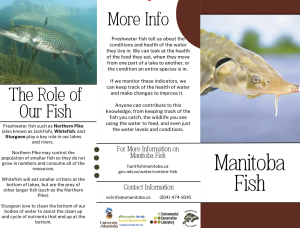
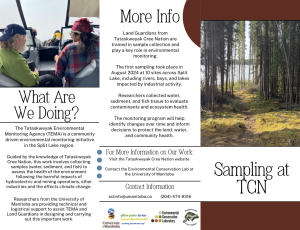
Photo Gallery
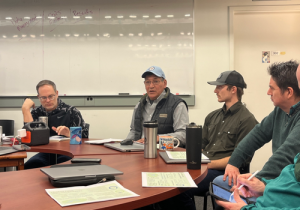
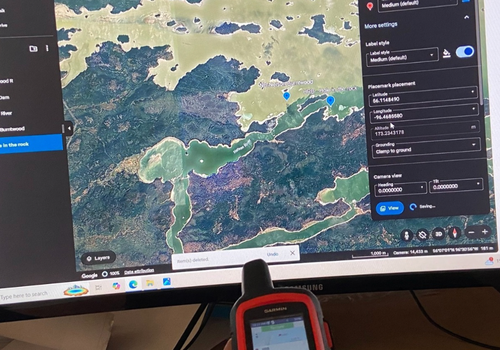
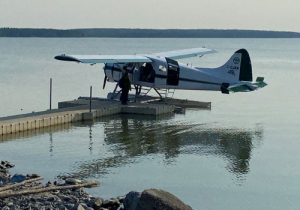
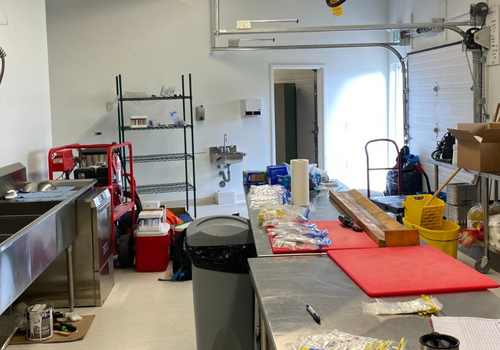
ECL Staff Meeting with TCN, 2024
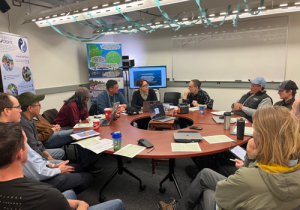
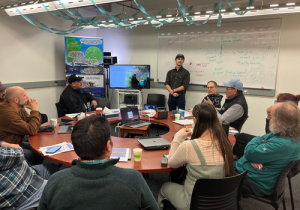
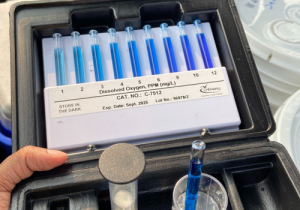
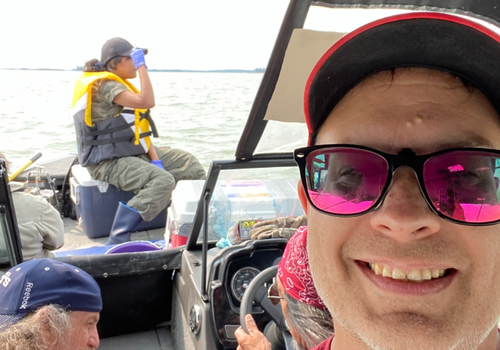
Community Monitoring, 2024
More photos
Project Overview
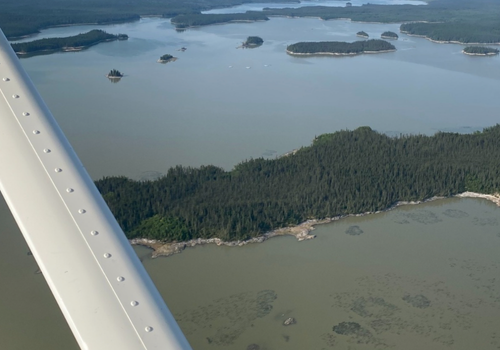
Indigenous communities are disproportionately affected by environmental damage from industries like hydroelectric power. Although large dams were once avoided due to their harmful impacts, they’ve made a comeback as part of renewable energy strategies—despite continuing to harm ecosystems and ignoring Indigenous concerns. These effects are worsened by mining, deforestation, and colonial legacies.
Research on hydro projects often focuses only on science and the physical environment, overlooking culture, language, and community wellbeing. Indigenous communities hold deep knowledge of these systems and are calling for greater involvement in research and decision-making, including control over data. Community-based monitoring, especially Indigenous-led programs that blend traditional knowledge with science, is a key part of this shift.
This project explores how Western monitoring methods can be adapted to support Indigenous knowledge and priorities. It takes an interdisciplinary approach across Manitoba and northwestern Ontario, focusing on practical, community-led solutions. Monitoring efforts with Indigenous communities and students will track changes in water, wildlife, traditional foods, and wellbeing—strengthening regional collaboration and empowering communities to lead with their own values and expertise.
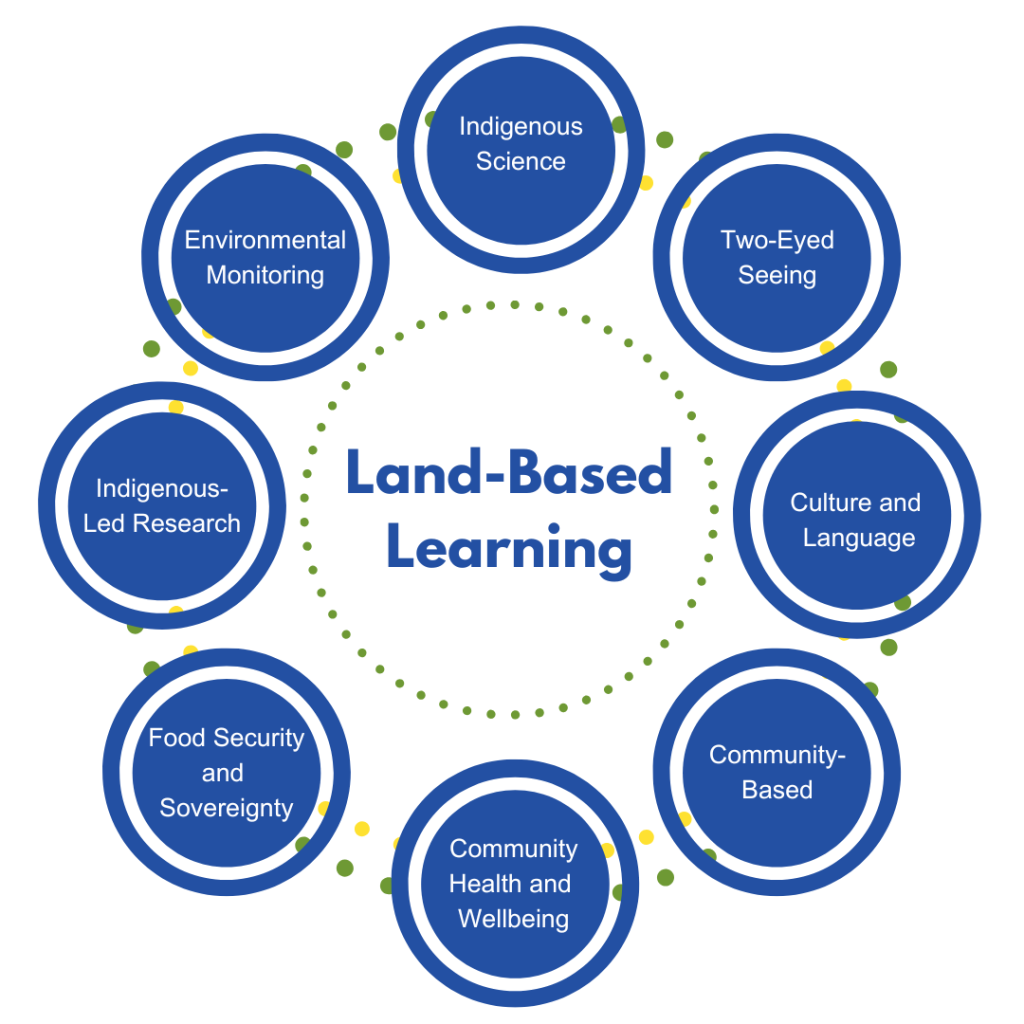
Project Focus Areas
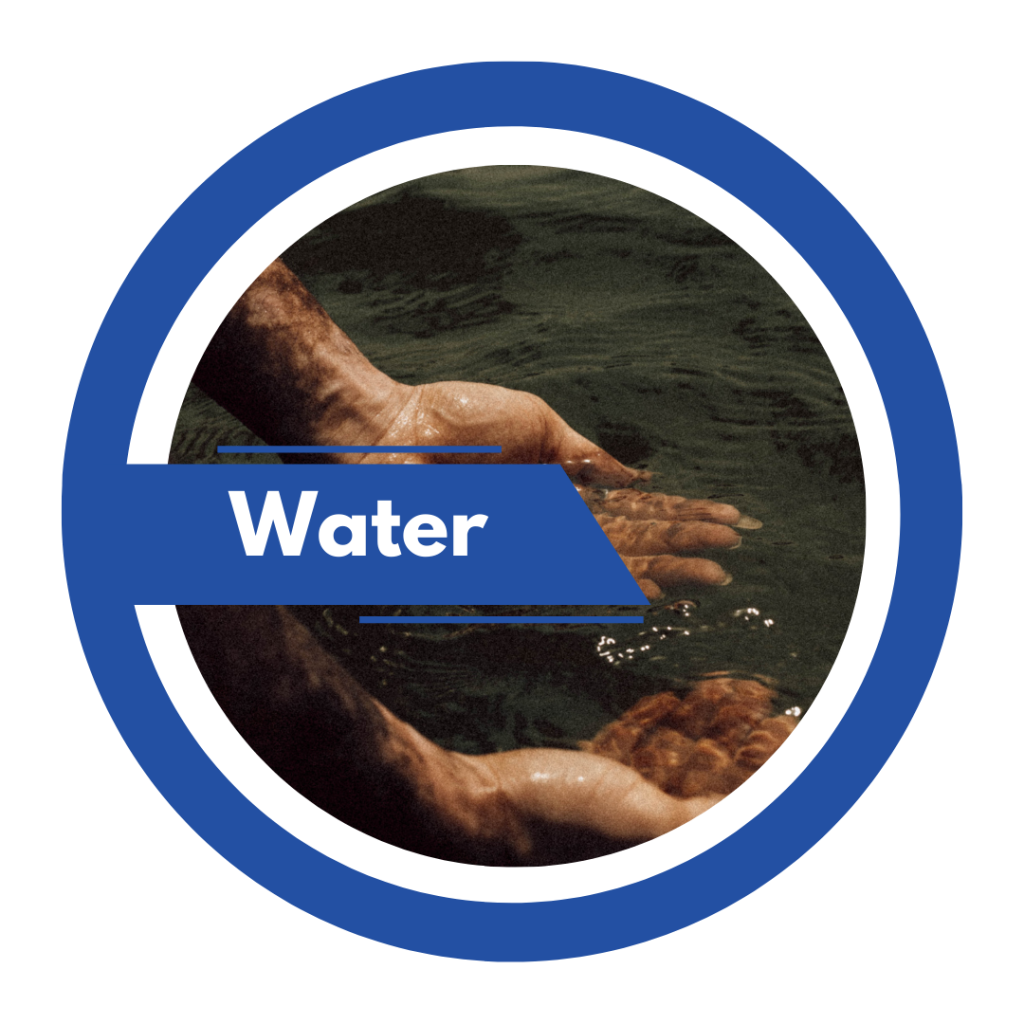
Water is deeply important to First Nations culture and ceremony, but growing threats from climate change and land use changes put it at risk. Many water safety issues in Indigenous communities remain undocumented.
Community-based monitoring will support Indigenous-led monitoring of water quality, flow, and contaminants, using Anishinaabe, Cree, and Métis knowledge to assess impacts on health and wellbeing.
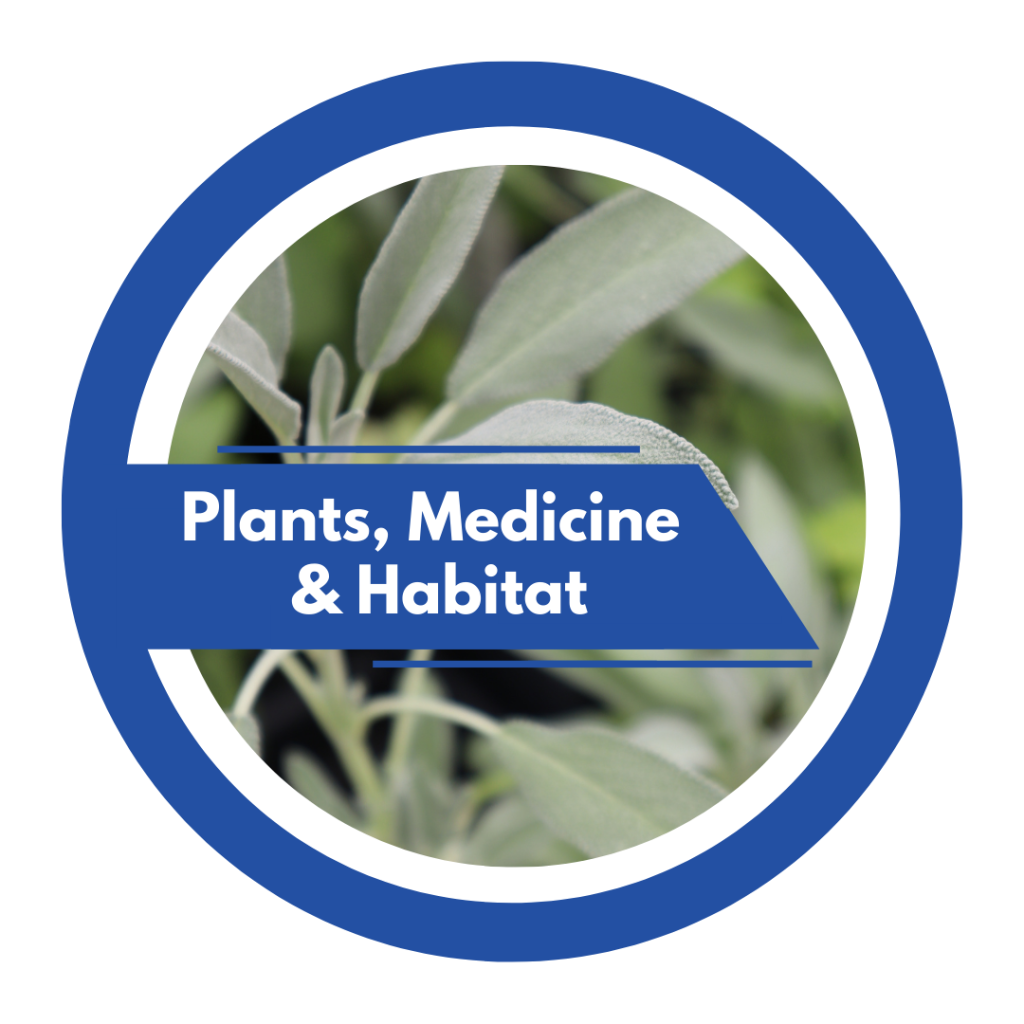
Environmental changes—especially from hydro development and pesticide use—are impacting culturally significant plants and medicines in First Nations communities, reducing both access and trust in traditional food sources.
Community-based monitoring will track changes using GIS, media, and contaminant testing, while also fostering dialogue between Knowledge Keepers, Elders, and scientists through workshops.

Ongoing changes to the environment are making it harder for First Nations communities to access traditional foods that are both healthy and affordable—impacting overall health, well-being, and food sovereignty.
Community-based monitoring will help communities assess impacts through questionnaires via the Our Data Indigenous App, supported by mixed-methods monitoring to identify causes, effects, and solutions.
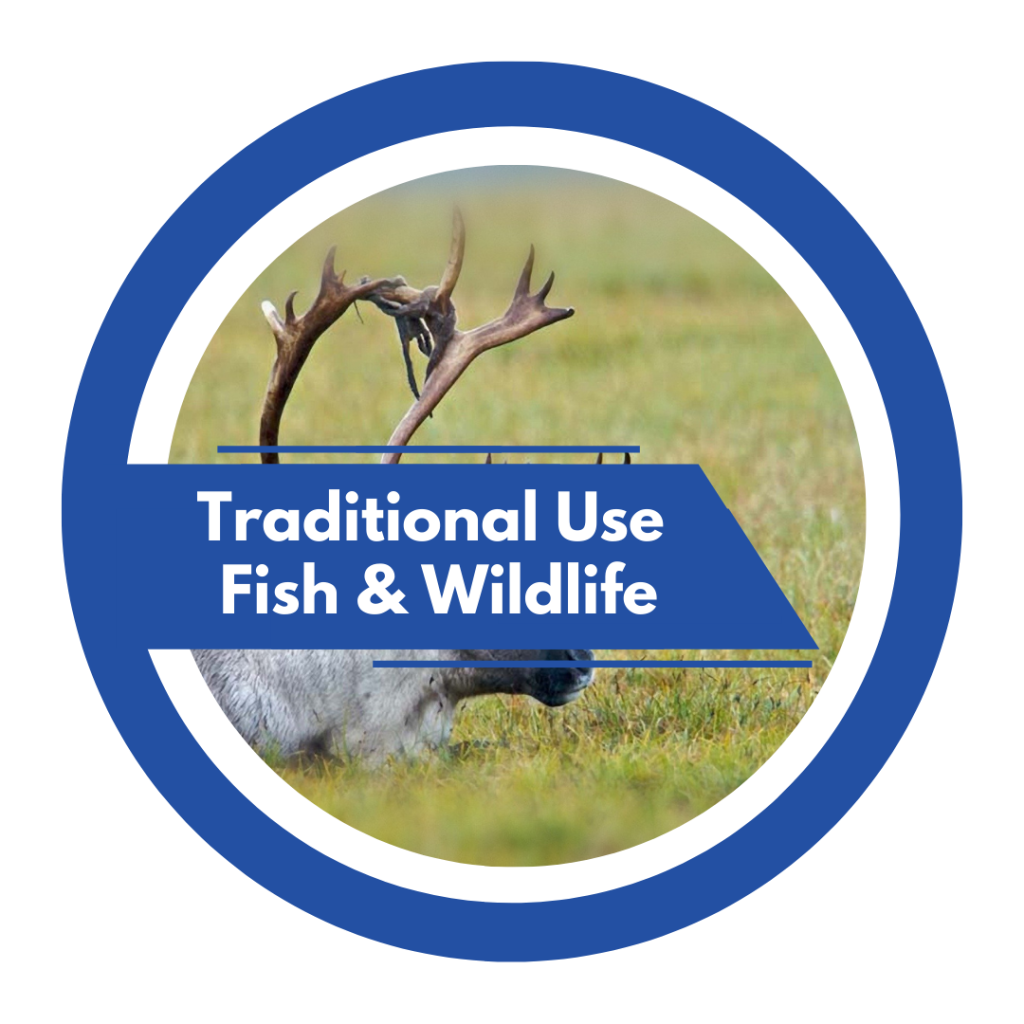
Water level changes, altered flow, and shoreline erosion are harming fish and wildlife populations, with major impacts on fisheries like South Indian Lake. Since the Churchill River Diversion, fish quality and productivity have declined.
Community-based monitoring will use both Indigenous and Western sciences to document environmental changes and assess their effects on health, diets, livelihoods, and overall well-being.
Project Objectives
The project aims to look at how communities are responding to environmental changes by using both Indigenous and Western knowledge to monitor the land and water. The project’s objectives start by exploring the past—how different approaches have helped people understand and react to environmental decline. It then looks at what’s happening now, including new monitoring efforts, how research can support them, and the successes and challenges so far. Finally, it considers the future: what needs to change, what role outside researchers might play, and how these lessons can help guide environmental decision-making in Canada and around the world.
Project Deliverables and Outcomes
Deliverables and outcomes of this project centre on strengthening community leadership, improving collaboration, supporting youth and capacity building, and informing policy to better support Indigenous-led environmental monitoring and decision-making. Details surrounding the anticipated deliverables and outcomes are listed below:
- Strengthened community capacity to plan and respond to environmental challenges
- Improved local wellbeing through community-driven solutions
- Enhanced self-determination for Indigenous communities
- Greater community control over education and research processes
- Improved communication and collaboration between communities, researchers, industry, and all levels of government
- Stronger communication and networking within and between communities
- Expanded networking and communication across different sectors
- Greater cultural understanding among outside scientists working with Indigenous communities
- Increased support, training, and opportunities for youth and highly qualified personnel
- Better policy support for Indigenous-led community-based monitoring and broader community initiatives
- Development of a new Indigenous-led regional approach to community-based monitoring
- Reduced burdens on communities through more supportive and inclusive approaches
Project Team
- Allen, Nigigoonsiminikaaning First Nation
- Annemieke Farenhorst, University of Manitoba
- Ballard Myrle, University of Manitoba
- Carrie Selin, University of Manitoba
- Chris Herc, Grand Council Treaty 3
- Daniel Gladu Kanu, Lake Winnipeg Indigenous Collective
- David Pearson, Laurentian University
- Denise Baxter, Lakehead University
- Ellen Cook, Interchurch Council Hydropower
- Francis Zvomuya, University of Manitoba
- Jillian Seniuk Cicek, University of Manitoba
- Johann Strube, Carleton University
- Katrin Stedronsky, University College of the North
- Leslie Dysart, Community Association South Indian L.
- Lalita Bharadwaj, University of Saskatchewan
- Lana Ray, Lakehead University
- Michael Paterson, University of Manitoba
- Michael Rennie, Lakehead University
- Nicole Wilson, University of Manitoba
- Pauline Gerrard, IISD Experimental Lakes Area
- Ramona Neckoway, University College of the North
- Robert Spence, Tataskweyak Cree Nation
- Ryan Brook, University of Saskatchewan
- Stephane McLachlan, University of Manitoba